Protegra Blog

Regulation explained.
No jargon is needed.

In-depth analysis of MiCA, DORA, and EU crypto regulation — written by the practitioners handling real licence applications every day.


Latest articles

From the Protegra team.

25 Sep 2026

A CASP Programme of Operations Is Not a Regulatory Business Plan

A Programme of Operations can look like another item on the MiCA application checklist. That is how applicants often treat it. They prepare the business plan,…

Read ⟶
24 Sep 2026

Why MiCA Applications Stall Before Regulators Say No

A crypto firm can submit its MiCA application, answer the first round of questions and still have no clear idea whether it will get a licence. The file may be…

Read ⟶
23 Sep 2026

Poland Used to Be a Thriving Crypto Hub. MiCA Was Built for a Different Market

Poland used to be one of Europe’s most active crypto markets. Its virtual-currency register contained 1,841 businesses, ranging from small peer-to-peer operators…

Read ⟶
22 Sep 2026

Crypto ATMs, Cash Trades, and Direct Buyer-to-Seller Deals Are Getting Banned Across the West

There’s a version of buying crypto that skips the usual steps entirely: no exchange account, no identity check by a company like Coinbase, just one person…

Read ⟶
19 Sep 2026

Poland’s MiCA Standoff. Inside the Bill Three Vetoes Couldn’t Pass

Every other EU member state has a functioning MiCA regime by now. Poland doesn’t. As of September 2026, more than two months after MiCA’s transitional period…

Read ⟶
19 Sep 2026

AI Agents in Crypto. Where MiCA, DORA, and Agentic Trading Actually Collide

Traditional finance had a decade-long head start on this problem. BaFin was writing algorithmic-decision principles in 2018, and by the time the EU AI Act…

Read ⟶
21 Aug 2026

AI Agents in EU Finance: Rules That Predate the Technology’s Name

BaFin, the ACPR and De Nederlandsche Bank governed algorithmic decision-making years before the EU AI Act, and MiFID II already reaches AI agents.

Read ⟶
19 Aug 2026

MiCA Licensing in the Netherlands, and Why Amsterdam Isn’t Just a Mailing Address

The AFM published its MiCA expectations before applications opened. What Dutch CASP licensing really takes: two regulators, real substance, class choice.

Read ⟶
7 Aug 2026

Brussels Is Rewriting Its Own Rulebook While Brazil Builds One From Scratch. What That Means for Crypto in 2026

Brussels reopened MiCA on 20 May 2026, months after its transition ended, while Brazil writes its first crypto rulebook. What both mean for 2026 plans.

Read ⟶
6 Aug 2026

What EU Businesses Get Wrong About the AML Officer / MLRO Role

EU regulators judge the AML officer after approval, not only during it. What the MLRO role actually demands, and where firms keep underestimating it.

Read ⟶
3 Aug 2026

Why Crypto Accounting Isn’t Just Traditional Accounting With Extra Steps

Crypto accounting is its own discipline: IFRS treats most crypto as intangible assets, and EU DAC8 and CARF reporting rules apply from January 2026.

Read ⟶
2 Aug 2026

Why Europe’s New AML Authority Is the Real Story Nobody’s Watching

The EU’s new AML Authority (AMLA) will directly supervise about 40 high-risk firms from 2028, with cross-border crypto businesses squarely in scope.

Read ⟶
2 Aug 2026

3 Best European Jurisdictions for CASP Licensing in 2026

Latvia, Malta and Slovakia rank as the top EU jurisdictions for a MiCA CASP licence in 2026, compared on cost, regulator access, tax and substance.

Read ⟶
26 Jul 2026

The Euro Stablecoin Paradox: Fast Growth, Tiny Market

Euro stablecoin volume grew about 1,200% under MiCA, yet the sector holds under 0.4% of a global market led by $300 billion in dollar tokens.

Read ⟶
26 Jul 2026

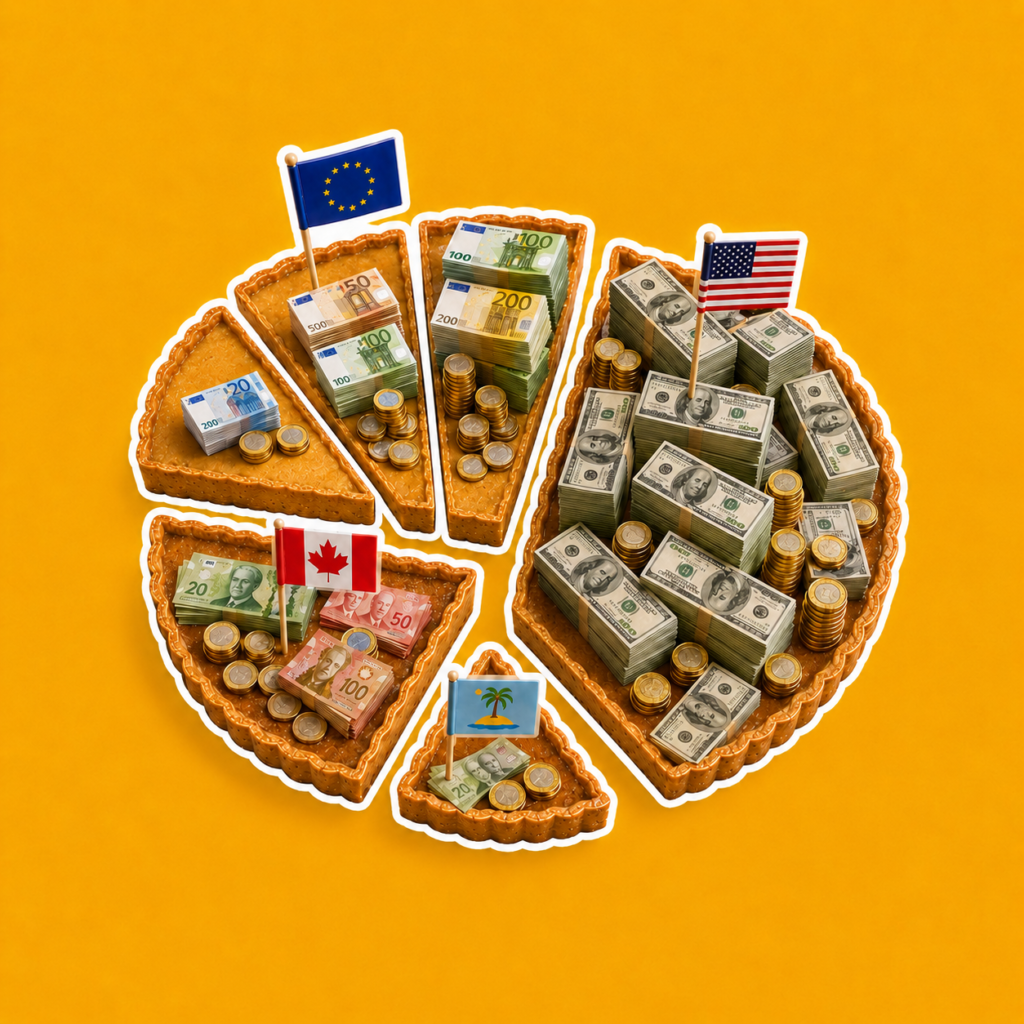
Capital Requirements Compared: MiCA, North America, and Offshore Havens

MiCA capital requirements run EUR 50,000 to 150,000 by service class, buying EU-wide passporting that US state licensing and offshore hubs cannot match.

Read ⟶
26 Jul 2026

How Europe’s Banks Are Changing after MiCA

MiCA has pushed European banks into crypto: CASP licences, custody platforms, and the 37-bank Qivalis euro stablecoin due to launch in late 2026.

Read ⟶
20 Jul 2026

The Fragmented Reality of Stablecoin Regulation Across the EU

MiCA is one law, but stablecoin regulation in practice varies by national regulator: BaFin enforcement, the AMF deadline, Malta’s MFSA, Poland’s gap.

Read ⟶
18 Jul 2026

Bitcoin, Ethereum, and Stablecoins, and Their Fundamental Differences in Custody

Bitcoin and Ethereum have no protocol-level freeze switch, while stablecoin custody rests on issuer controls now codified by the GENIUS Act and MiCA.

Read ⟶
15 Jul 2026

Why Europe’s CASP Overhaul Is Pushing Crypto Firms Toward LATAM

MiCA’s CASP licence costs are pushing smaller crypto firms from Europe to Latin America, with Brazil emerging as the region’s institutional crypto hub.

Read ⟶
9 Jul 2026

PSD3 and the PSR. What Would Be Changing for Payments in Europe?

PSD3 is not yet EU law; the directly applicable Payment Services Regulation, not the Directive, carries the fraud liability and payee check rules.

Read ⟶
9 Jul 2026

Tokenization Is Not Just a Tech Story. It Is a Legal One.

Tokenized real-world assets may hit $5.5 trillion by 2030, but legal structure, MiCA and SEC rules decide what a token really gives investors.

Read ⟶
9 Jul 2026

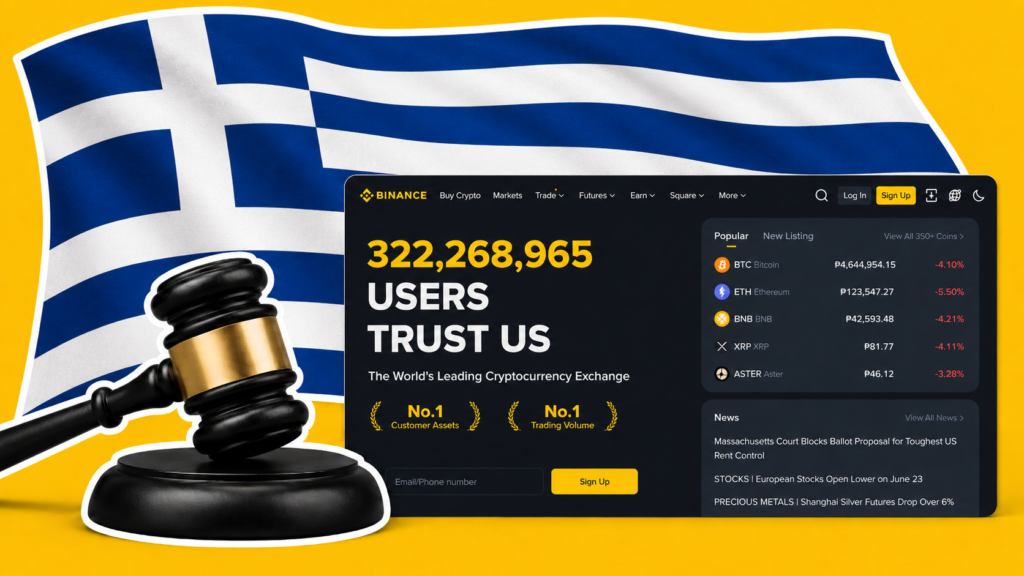
When MiCA Tests How Indispensable Binance Really Is

Binance withdrew its Greek MiCA licence bid as the EU transition ended on 1 July 2026, showing MiCA applies even to the biggest crypto exchanges.

Read ⟶
4 Jul 2026

Canada’s MSB. Why The Market Entry Has Become More Expensive

Canada’s MSB regime is no longer a cheap shortcut: FINTRAC penalties now reach CAD 20 million and registration alone does not prove AML compliance.

Read ⟶
30 Jun 2026

Your Crypto Company’s Compliance System Is Actually About Discipline

A crypto compliance system built rule by rule turns fragile as MiCA, DORA and EU AML obligations stack up; the fix is discipline and clear ownership.

Read ⟶
22 Jun 2026

Custody as a Fault Line in MiCA: Risks for CASP Business Models

Under MiCA, custody turns on functional control over client assets, not the CASP licence class; Class 2 does not automatically mean non-custody.

Read ⟶
5 Jun 2026

What Has KNF Learned From Supervising Fintech – and What It Means for Crypto

KNF’s years of MIP/KIP payment fintech oversight shape Poland’s crypto-asset supervision under MiCA, from governance to CASP operational substance.

Read ⟶
3 Jun 2026

Poland, the Country That Failed to Put MiCA Into Practice, May Be Its Weakest Link

Poland has MiCA in force yet no CASP licensing route; with the transitional period ending 1 July 2026, presidential vetoes leave crypto firms exposed.

Read ⟶
Newsletter

Subscribe for regulation updates

New MiCA, DORA & EU crypto-regulation analysis from our team
— straight to your inbox. No noise.